Scientific Committee

Full

BIO

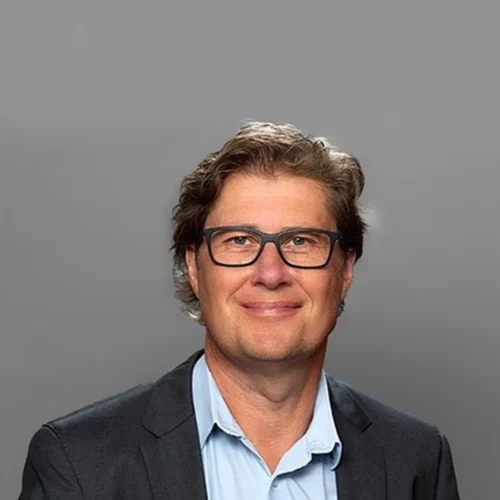
Born in 1970, Prof. Cedric LE CAIGNEC studied medicine at the University of Nantes, France. He specialized in medical genetics (2000) and obtained a PhD in molecular genetics (2004). He completed his training with a postdoctoral fellowship at KU Leuven in Belgium under the supervision of Prof. Joris Vermeesch. During two years, he initiated genetic research on single cells. His work helped to show that human embryos at the 8-cell stage frequently carried chromosomal abnormalities and contributed to early fetal loss. In 2006, upon his return to Nantes University Hospital, he set up a preimplantation diagnosis center, the fourth in France and became full professor in 2012. From 2019 to 2023, he was head the Medical Genetics Department at Toulouse University Hospital. In early 2024, he moved to Switzerland and became full professor at University of Lausanne and head of the Genetic Medicine Department at CHUV.

His research focuses on identifying new genes responsible for rare monogenic genetic diseases and understanding the physiopathological mechanisms underlying these diseases. He has worked on the genetics of congenital heart defects, rare bone disorders, and neurodevelopmental disorders and contributed to the identification of new genes responsible for several genetic syndromes or disorders.

Responsibilities

Full professor – University Hospital, CHUV Lausanne (since 2024)
Full professor – University hospital (Nantes 2012-2019; Toulouse 2019-2023)
Head of the medical genetics department (clinical, cytogenetics, molecular), CHU Toulouse (2019-2023)
Head of the genetic discipline, Medical School of Toulouse (2019-2023)
Head of the constitutional cytogenetics department, CHU Nantes (2008-2019)
Head of the Preimplantation Genetic Diagnosis Center, CHU Nantes (2010-2019)

Titles and certifications

1999  – Master degree, Human genetics, University of Paris
2000 – Medical doctor degree (specialist medical genetics), CHU Nancy
2002 – Constitutional cytogenetic qualification
2004 – PhD, Molecular genetics, University of Nantes
2008 – Accreditation to supervise research, University of Nantes
2019 – High throughput DNA sequencing qualification, University of Dijon
2019-2020 – Executive Master “Gestion et politiques de santé » Sciences Po Paris. Brief: Implementing genomics into healthcare : examples of China, England, USA and France
2022-2023 Management qualification

Prof. Cédric LeCaignec

President of Scientific Committee

His research focuses on identifying new genes responsible for rare monogenic genetic diseases and understanding the physiopathological mechanisms underlying these diseases.

He has worked on the genetics of congenital heart defects, rare bone disorders, and neurodevelopmental disorders and contributed to the identification of new genes responsible for several genetic syndromes or disorders.

Full

BIO

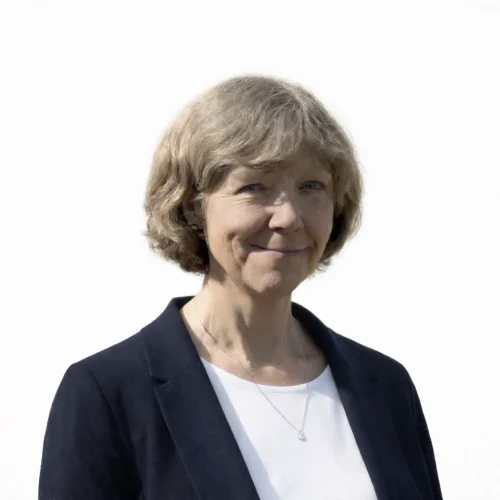
Throughout his career, Chaim has been at the forefront of identifying and addressing rare genetic disorders. His work is particularly noted for its impact on Mendelian diseases, where he has spearheaded the development of high-throughput screening and diagnostic protocols. By leveraging advanced sequencing technologies, he has helped refine the accuracy of preimplantation genetic testing (PGT), allowing families with histories of rare conditions to navigate the path to healthy biological children with greater confidence and lower risk.

His commitment to rare disease research is reflected in over 50 peer-reviewed publications and his role as a Principal or Co-investigator on landmark studies. These collaborations have spanned world-class institutions, including the Broad Institute of MIT and Harvard and Hadassah Medical Center in Jerusalem. His research often bridges the gap between the laboratory and clinical practice, ensuring that cutting-edge discoveries in molecular genetics move closer to viable clinical applications.

In addition to his R&D leadership, Chaim is a respected voice in bioethics and regulatory oversight. He previously served on the board of Columbia University’s Genomics Institutional Review Board (IRB), where he contributed to the ethical framework governing modern genomic research.

At Juno Genetics, Chaim continues to lead multidisciplinary teams in developing the next generation of genetic testing platforms, ensuring that the most complex genetic challenges are met with precise, compassionate, and technologically superior solutions.

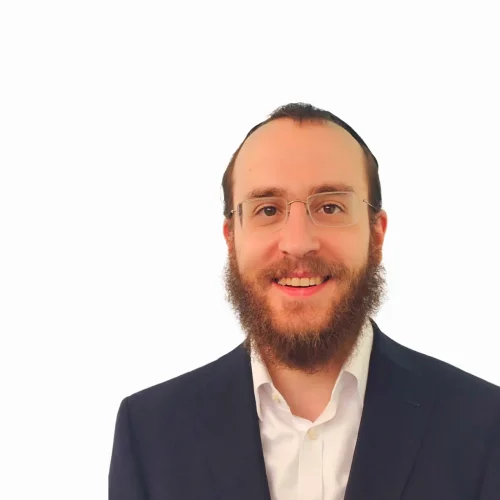
Chaim Jalas

CEO & Director of Technology Development – Juno Genetics

Chaim Jalas has been a driving force in the fields of genetics and reproductive medicine for over 15 years. As the CEO and Director of Technology Development at Juno Genetics, he combines executive leadership with a deep-seated passion for genomic innovation, specifically focusing on the intersection of fertility and the prevention of heritable diseases.

Full

BIO

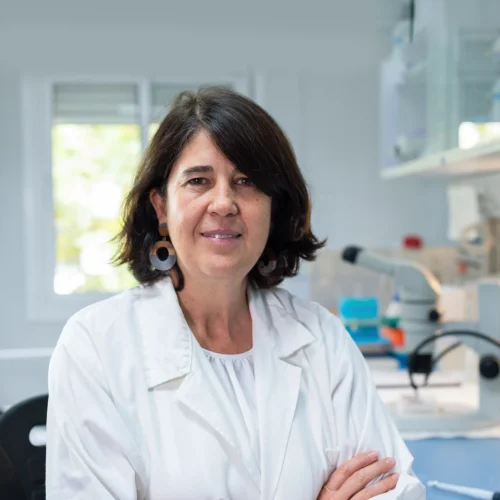
She dedicated her graduate training at the Université Catholique de Louvain in her native country, Belgium, and postgraduate training at the University of Texas MD Anderson Cancer Center (Houston, Texas) to acquiring research expertise and contributing to breakthroughs in this field.

In 2001, she set up her own laboratory at the Cleveland Clinic Lerner Research Institute (Cleveland, Ohio), where she climbed all the Faculty ranks from Assistant to Full Professor, and in 2018, she and her team relocated to the Children’s Hospital of Philadelphia and University of Pennsylvania (Philadelphia, Pennsylvania).

Dr. Lefebvre crafted her laboratory niche based on new research directions that her postdoctoral work helped open with the discovery of master roles for the protein SOX9 in defining cartilage cells. Quickly, her team showed that SOX9 is critically helped by SOX5 and SOX6, and broadened its investigations, often in collaboration with investigators worldwide, to the roles of these and other SOX family members in such biological processes as neurogenesis, skeletogenesis, and erythropoiesis. Their findings contributed to build the current dogma that altogether the twenty SOX factors are master determinants of almost every cell type.

Current projects in the Lefebvre laboratory continue to define the importance of SOX factors from development to adulthood, seek to elucidate mechanisms whereby variants in SOX genes cause diseases (SOXopathies), and aim to develop gene therapies for some of these diseases.

For instance, one project focuses on the Lamb-Shaffer neurodevelopmental syndrome, due to SOX5 variants, and another on the TOLCAS neurodevelopmental syndrome that the Lefebvre team, in collaboration with others, found to be due to SOX6 variants. Dr. Lefebvre has received multiple honors and awards for her research contributions and has always been an active member of the scientific community, namely as a reviewer or editor for various journals, member of NIH and other study sections, and speaker or organizer of international conferences.

Above all, she enjoys collaborating with researchers locally and worldwide, training the next generations of researchers, and helping families with children affected by SOXopathies.


Dr. Veronique LeFebvre

Member of Scientific Committee

A fascination for fundamental mechanisms whereby the human body generates a wealth of distinct cell types, and a profound desire to understand how alterations in these mechanisms cause various forms of inherited and acquired diseases, have motivated Dr. Véronique Lefebvre throughout her research career.

Full

BIO

Since 2005, she is principal investigator of the Molecular Mechanism of Neurogenesis laboratory at the Cajal Institute, focused on the molecular basis of neurogenesis in the developing and adult brain. She has obtained, along the years, several public grants from the Spanish Ministery of Science (MICIU) to support her research.

In recent years, her group has studied the generation of new neurons in the adult brain as a strategy for neuronal plasticity. They have discovered that the transcription factors SOX5 and SOX6 are necessary for the activation of neural stem cells and the generation of new neurons in the adult hippocampus. These advances could have a major impact on the search for cell therapy strategies in neurodevelopmental and neurodegenerative disorders.

Moreover, her laboratory is also studying the molecular basis of rare neurodevelopmental disorders such as Lamb-Shaffer syndrome (LAMSHF, SOX5 Syndrome, # OMIM #616803) and Tolchin-Le Caignec syndrome (TOLCAS, SOX6 syndrome, OMIM # 618971). To this end, she actively collaborates with patient associations, has secured fundings from private Foundations (Alicia Koplowitz, Tatiana de Guzman el Bueno, Inocente-Inocente and the Spanish Federation for Rare Diseases, Feder) and participates in the Spanish Rare Diseases Network of the CSIC.

Finally, she is involved as a lecturer in Universidad Autónoma de Madrid (Neuroscience Master and Neuroscience Doctoral Programme), serves as a Project Manager in “Diseases of the Nervous System” Program of the Spanish Agencia Estatal de Investigación (AEI, MICIU) and participates in outreach scientific activities to foster scientific curiosity among young people.

Dr. Aixa V. Morales

Member of Scientific Committee

Dr. Aixa V. Morales is a scientific researcher at the Cajal Institute (new Center for Neuroscience Cajal, CNC-CSIC) in Madrid (Spain). She has extensive research experience in the fields of Developmental Biology and Neurobiology, having completed her PhD in the laboratory of De Pablo (CIB-CSIC, Madrid) and postdoctoral contracts in D. Ish-Horowicz (ICRF, London) and A. Nieto (Cajal Institute, Madrid) laboratories.

Full

BIO

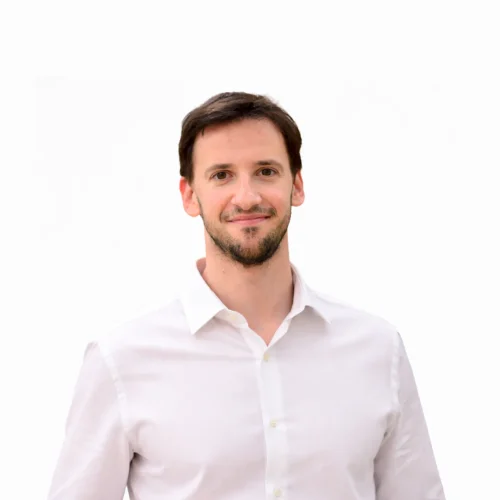
After eight years as a postdoctoral scientist in Prof Andrew Wilkie’s group at the University of Oxford, one of the world’s leading centres for craniofacial genetics, Dr. Calpena contributed to the discovery of several disease genes underlying developmental and craniofacial disorders, including CDK8, DPF2, SIX1, SOX6, and others. His current research integrates genome sequencing, functional genomics, and mechanistic studies to improve diagnosis and understanding of rare craniofacial conditions.

He collaborates in Spanish national genomics initiatives through CIBERER and performs research using international resources such as the UK National Genomic Research Library (100,000 Genomes Project and NHS Genomic Medicine Service). He also maintains long-standing international collaborations within the craniofacial genetics field.

Dr. Eduardo Calpena

Member of Scientific Committee

Dr. Eduardo Calpena, PhD, is a Miguel Servet researcher and principal investigator at the Health Research Institute Hospital La Fe (Valencia, Spain), where he leads the Genetics of Rare Craniofacial Disorders research line.

Sox6
Privacy Overview

This website uses cookies so that we can provide you with the best user experience possible. Cookie information is stored in your browser and performs functions such as recognising you when you return to our website and helping our team to understand which sections of the website you find most interesting and useful.